
New UPI Rule May Charge Transactions Above Rs 2,000
Experts discuss potential impact of Rs 2,000 UPI transaction limit on payments

A new rule proposes levying charges on UPI transactions exceeding Rs 2,000, which may affect payments of varying amounts. The impact on consumers and merchants is being assessed as officials have yet to provide detailed information on the implementation.
AI-generated · Verify with full article

See more of our coverage in your search results.

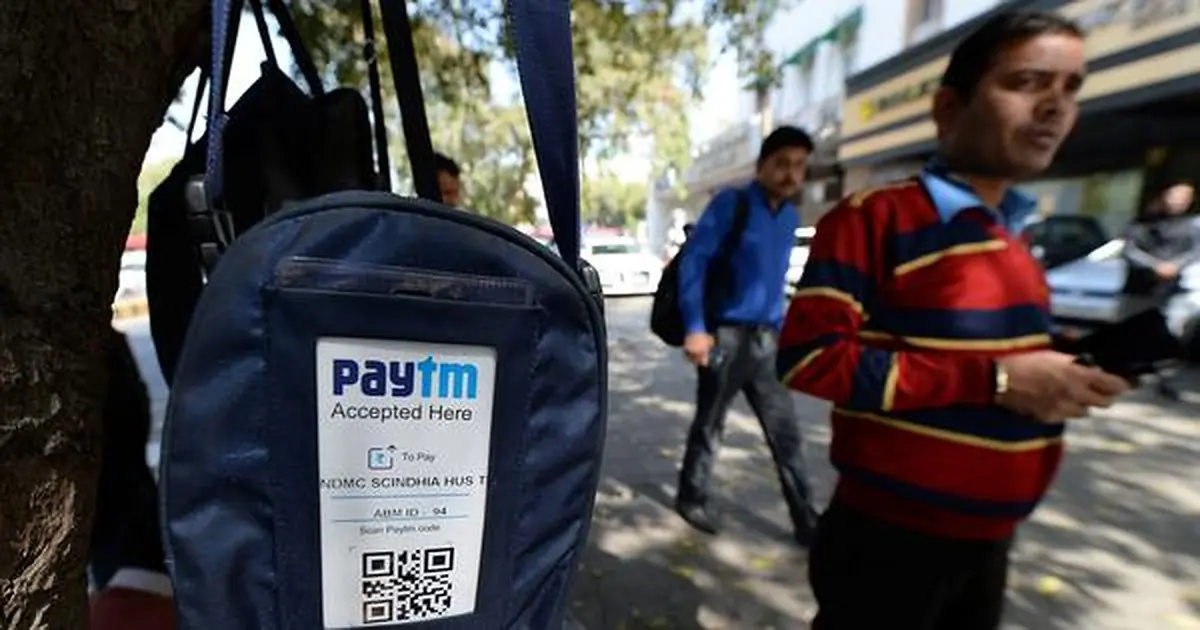
A new rule proposes charging Unified Payments Interface (UPI) transactions exceeding Rs 2,000. This change could affect everyday payments, from small purchases to rent payments, experts say. The implications for consumers and merchants are under discussion as the rule gains attention.
The proposed rule would impose charges on UPI transactions above Rs 2,000. This could impact payments ranging from a Rs 40 cup of tea to monthly rents of Rs 30,000. Experts are evaluating how this might affect the convenience and cost of digital payments for users.
While details remain limited, the potential for additional fees on small and large transactions alike has raised questions about the future of UPI as a free payment platform. Stakeholders await official clarifications and further developments.
अक्सर पूछे जाने वाले सवाल
- What transactions will be charged under the new UPI rule?
- The rule targets UPI transactions exceeding Rs 2,000, potentially affecting both small and large payments.
- How might this rule affect UPI users?
- It could increase the cost of digital payments and reduce convenience for users accustomed to free transactions.
- Why is there concern about the future of UPI?
- Because additional fees might end UPI's status as a free payment platform.
- What are merchants saying about these new charges?
- Experts and stakeholders are discussing potential impacts, but no specific merchant views are detailed in the article.
AI-निर्मित · पूरी ख़बर से पुष्टि करें
50 free articles left today
0 of 50 free reads used today.
Most read




Comments
0 threadsNo approved comments yet. Start the discussion.