
Yogi Government Suspends Four Tehsildars and One Naib Tehsildar
See more of our coverage in your search results.

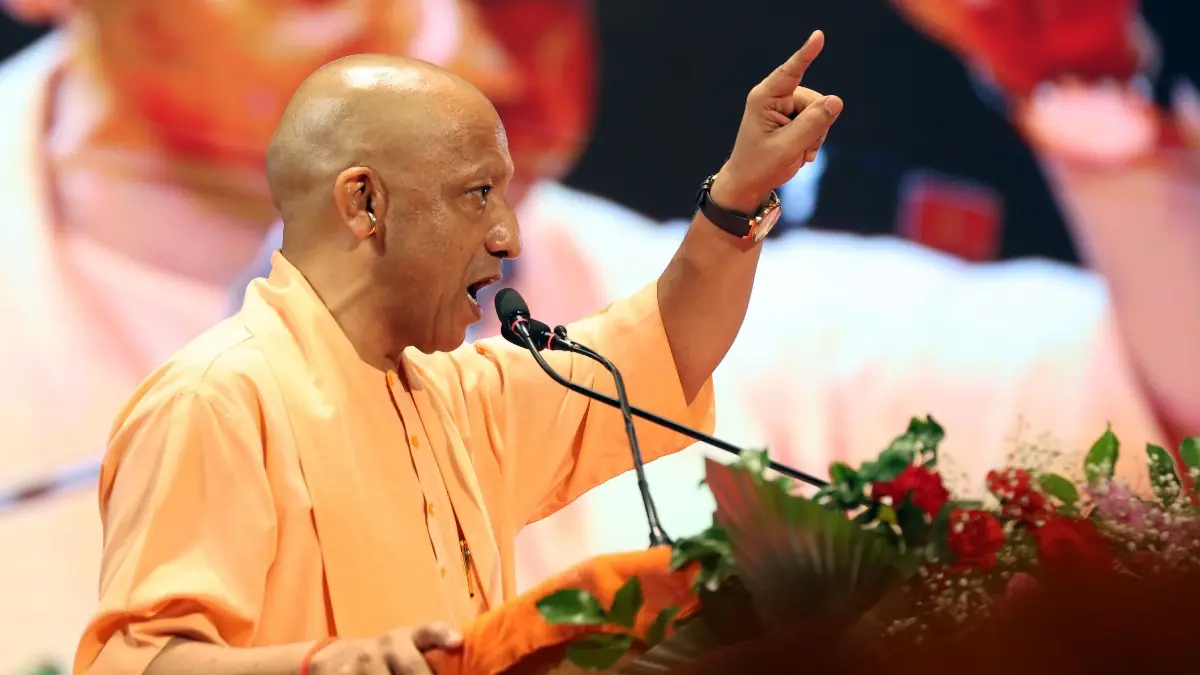
After a review by Chief Minister Yogi Adityanath regarding pending cases in revenue courts in Uttar Pradesh, four tehsildars and one naib tehsildar have been suspended. The Revenue Council has also initiated disciplinary proceedings against these officers.
Chief Minister Yogi Adityanath conducted a high-level review of the status of pending cases in revenue courts. He gave clear instructions to the officers that revenue cases must be resolved within the stipulated time frame and that delays or unnecessary postponements would not be tolerated. The review also stated that responsibility would be fixed on officers at whose level cases remain consistently pending.
Kanchan Verma, Commissioner and Secretary of the Revenue Council, stated that following the Chief Minister's instructions, a thorough review of cases filed under Section 34 of the Uttar Pradesh Revenue Code, 2006, was conducted across all revenue courts in the state. The status of pending cases was assessed court-wise and officer-wise. The failure to dispose of cases in a timely manner was taken seriously.
The officers affected by this action include Tehsildar Pawan Kumar Singh, who was the then in-charge Tehsildar of Patti Tehsil in Pratapgarh and is currently Tehsildar in Prayagraj; Tehsildar Atul Harsh of Ballia Tehsil; Tehsildar Hareram Yadav, who was the then Naib Tehsildar in Dhanghata and is currently Tehsildar in Gonda; Tehsildar Anand Ojha of Khalilabad Tehsil, Sant Kabir Nagar; and Naib Tehsildar Vivek Kumar Singh of Sarojininagar Tehsil, Lucknow.
The process to institute disciplinary proceedings against all five officers has been initiated. The investigation will examine under what circumstances the cases remained pending, why the pace of disposal was not as expected, and what responsibility the officer holds. Further action will be taken based on the findings of the investigation.
Pending cases in revenue courts generally relate to land, mutation, and other revenue disputes. These are directly connected to the property of farmers, landowners, and common people. Prolonged pendency of cases negatively affects the concerned families and their property.
The government is now emphasizing that such cases should not be unnecessarily prolonged and that eligible people should receive timely justice. This will relieve farmers and common citizens from the hassle of repeatedly visiting government offices and courts. The Revenue Council has sent a message to officers to remain accountable for their responsibilities and will not tolerate laxity at any level in the disposal of pending cases.
5 free articles left today
0 of 5 free reads used today.
Most read


Comments
0 threadsNo approved comments yet. Start the discussion.