
Over 5000 Missing in Nepal Floods, DNA Testing to be Conducted in India
At a glance
- Over 12,000 people have been rescued so far from the Nepal floods that began on August 26.
- Nearly 5,000 people are still missing following the floods in Nepal.
- India, in collaboration with its Embassy in Kathmandu, is providing DNA profiling services to identify missing persons.
- The death toll in the Nepal floods has reached 1,259.
- Nepal Police has advised the use of Autosomal STR DNA profiling for victim identification.
अक्सर पूछे जाने वाले सवाल
- How many people have been rescued from the Nepal floods so far?
- More than 12,000 people have been rescued so far.
- How many people are still missing after the Nepal floods?
- Around 5,000 people are still reported missing.
- What measures are being taken to identify the missing persons?
- India is providing DNA profiling facilities by collecting samples from first-degree relatives in India to help identify missing persons.
- What is the current death toll from the Nepal floods?
- The death toll has reached 1,259.
- What method is recommended by Nepal Police for identifying victims?
- Nepal Police recommends Autosomal STR DNA profiling for victim identification.
AI-निर्मित · पूरी ख़बर से पुष्टि करें
See more of our coverage in your search results.

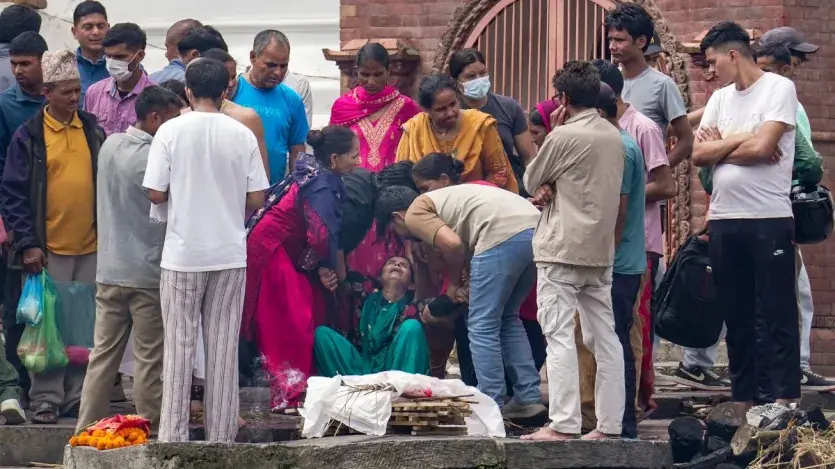
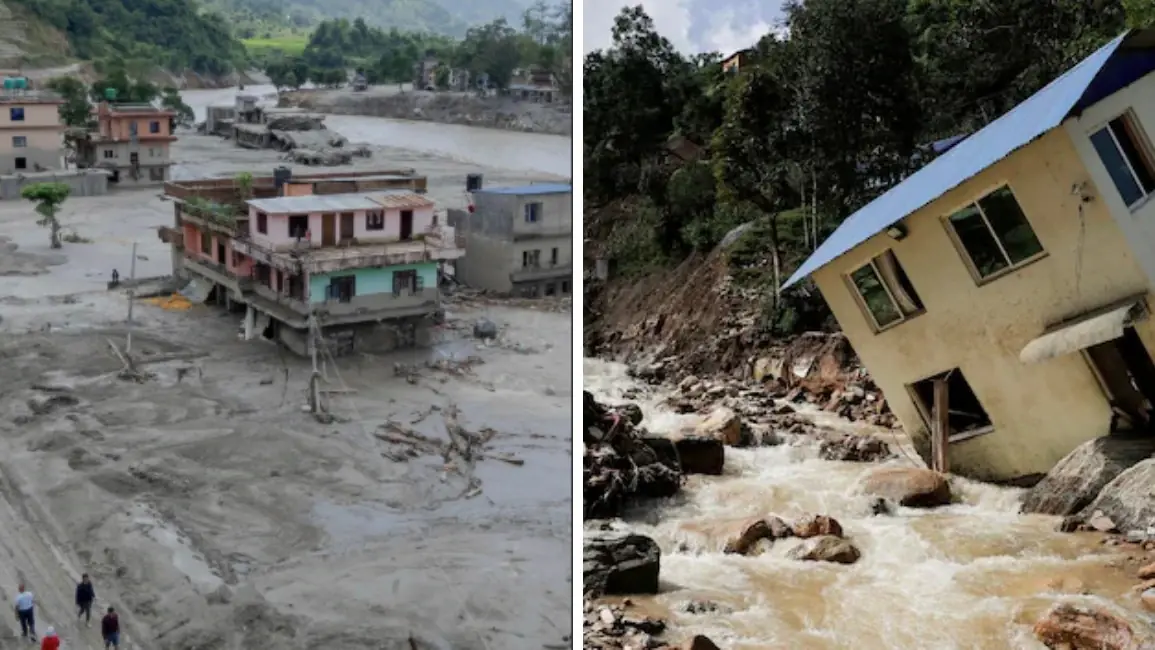
DIGITAL DESK। More than 12,000 people have been rescued so far in the devastating floods that hit Nepal on August 26, while nearly 5,000 people are still missing. The Government of India, in collaboration with the Indian Embassy in Kathmandu, has made DNA profiling facilities available to identify the missing persons.
DNA profiles will be prepared by collecting samples from first-degree biological relatives of the missing persons residing in India, including parents, sons, daughters, and siblings. Central and state-level forensic labs will provide their services for this. Copies of the DNA profiles can also be sent to the Indian Embassy in Kathmandu.
The death toll in this tragedy in Nepal has risen to 1,259. Relief and rescue teams have so far rescued more than 12,000 people, but around 5,000 people are still reported missing.
In the Paharebesi village of Rasuwa district in Nepal, families have started symbolic funerals after no clues were found about their missing relatives for eight days. They are using effigies made of kusa grass, which is considered sacred in Hindu rituals. This provides spiritual relief to the families, believing that the souls of their loved ones have found peace.
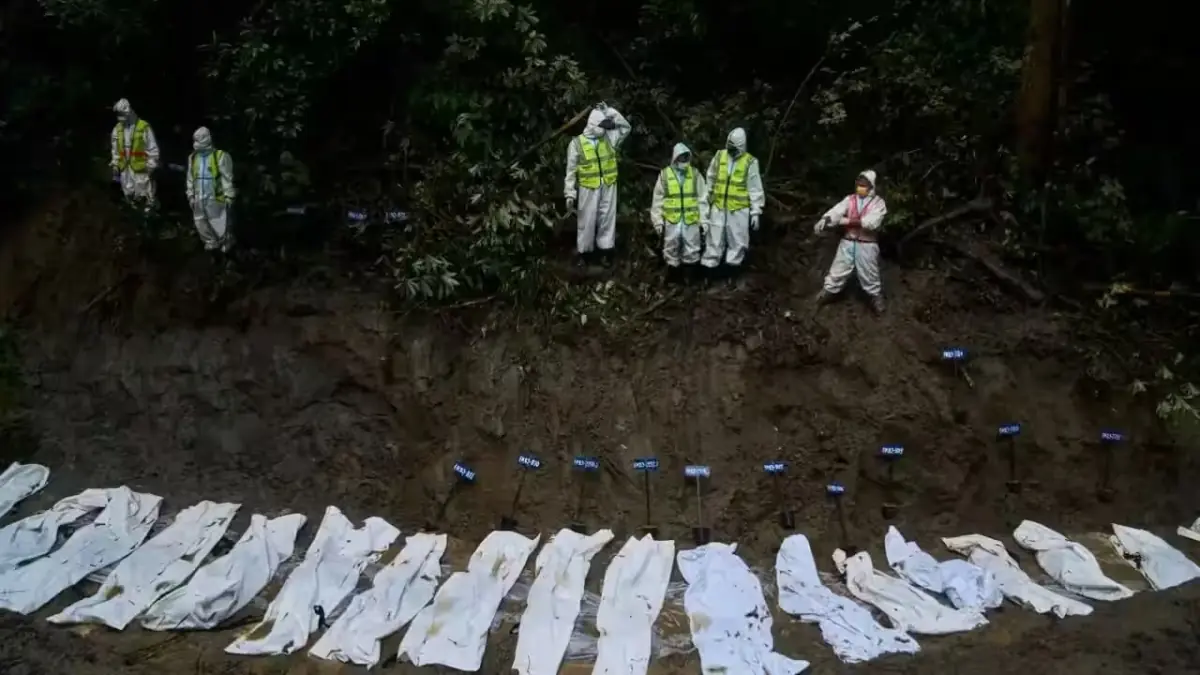
The government is burying those bodies in a line with the help of JCB machines, whose relatives have not been identified.
Continuous rainfall is occurring in the upper areas of the Bhote Koshi river in Nepal, posing a risk of rising water levels in the rivers. Nepal Police has appealed to people living in surrounding areas and lower parts of the river to remain alert.
Indian and Nepali teams have surveyed up to 100 meters inside the tunnel using special equipment and are planning to bring heavy machinery to proceed further inside the tunnel.
The Indian Embassy in Kathmandu shared information and procedures related to the identification of victims' bodies on Tuesday.
Ministry of External Affairs
According to Nepal Police's advice, Autosomal STR DNA profiling can be done for identification. Nepal Police has also shared technical requirements for this. After the DNA profile is prepared, it can be sent to Nepal Police along with the necessary initial information.
Police
50 free articles left today
0 of 50 free reads used today.
Most read





Comments
0 threadsNo approved comments yet. Start the discussion.