
GSLV-F17 Successfully Released EOS-05 Satellite into Space
At a glance
- At 2:55 AM on September 4, GSLV-F17 successfully launched the EOS-05 satellite into orbit from Sriharikota.
- GSLV-F17 is the 19th flight of India's GSLV rocket series.
- EOS-05 satellite was placed into a Sub-Geosynchronous Transfer Orbit for Earth observation.
- The rocket operates in three stages: a solid first stage (S139), a liquid-fueled second stage (GS2), and a cryogenic upper stage (CUS).
- The cryogenic upper stage used liquid oxygen and liquid hydrogen and has been in use since January 2014.
अक्सर पूछे जाने वाले सवाल
- When was the GSLV-F17 launch conducted?
- The launch took place at 2:55 AM on September 4.
- What is the purpose of the EOS-05 satellite?
- EOS-05 will collect images and related information of the Earth from space.
- How many stages does the GSLV-F17 rocket have?
- The rocket has three stages: solid first stage, liquid-fueled second stage, and cryogenic upper stage.
- What fuel does the cryogenic upper stage use?
- It uses liquid oxygen and liquid hydrogen as fuel.
- From where was the GSLV-F17 launched?
- It was launched from the second launch pad at Satish Dhawan Space Centre, Sriharikota.
AI-निर्मित · पूरी ख़बर से पुष्टि करें
See more of our coverage in your search results.

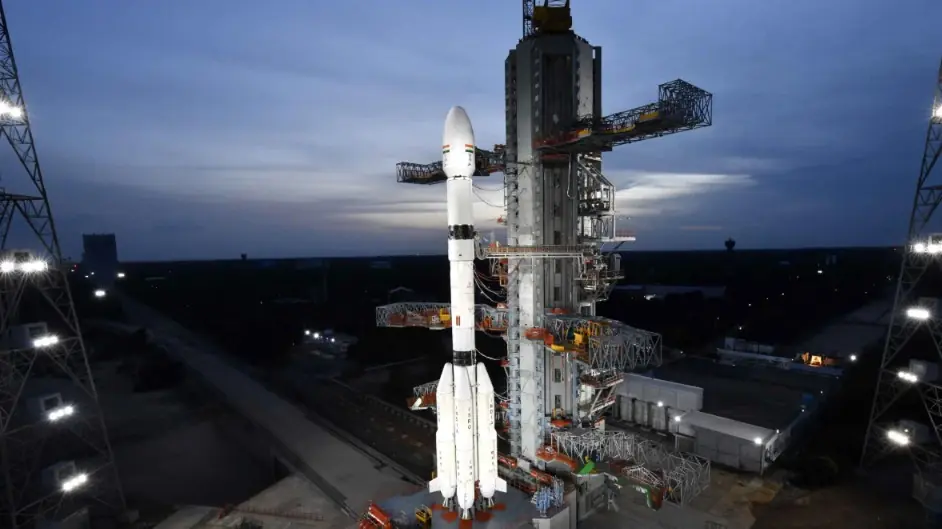
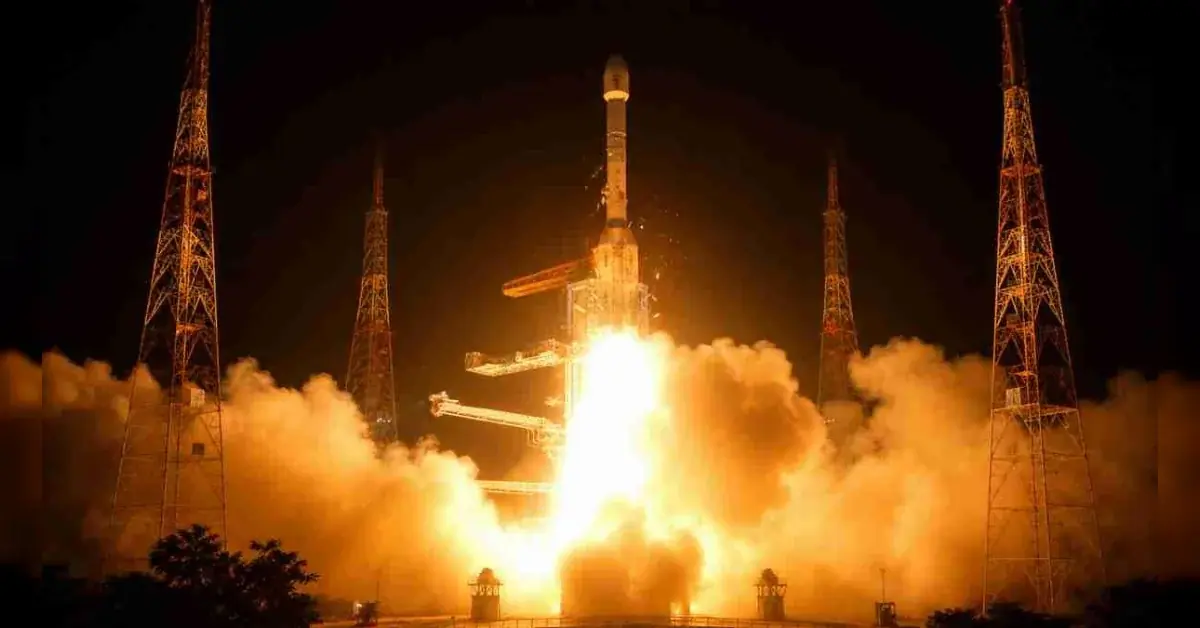
At 2:55 AM on September 4, India's GSLV-F17 rocket successfully launched from Sriharikota and placed the EOS-05 satellite into its designated orbit. This mission was conducted from the second launch pad at Satish Dhawan Space Centre.
GSLV-F17 is the 19th flight of India's GSLV rocket, which delivered the EOS-05 Earth Observation satellite into a Sub-Geosynchronous Transfer Orbit. This satellite will collect images of the Earth and related information from space.
The rocket operates in three stages. At the bottom is the first stage, a large solid rocket motor named S139, containing about 138 tons of propellant and operating for approximately 100 seconds. It provides up to 4,800 kilo Newtons of thrust. Four liquid boosters are attached to its sides.
After the first stage, the second stage GS2 activates, equipped with a Vikas engine running on liquid fuel. This stage operates for about 150 seconds and produces up to 846 kilo Newtons of thrust. Its role is to provide the rocket with further altitude and speed so the satellite can move toward its designated orbit.
The third stage is the cryogenic upper stage (CUS), which runs on liquid oxygen and liquid hydrogen. This engine delivers up to 75 kilo Newtons of thrust and operates for about 814 seconds. Its job is to give the satellite the necessary speed to reach the transfer orbit. This cryogenic stage was developed in India and has been used in GSLV missions since January 2014.
At the very top of the rocket, the EOS-05 satellite is housed inside a 4-meter diameter ogive composite payload fairing, which protects the satellite from air pressure and external effects while passing through the atmosphere.
The height of GSLV-F17 is approximately 51.7 meters, and its mass at launch is about 420 tons. In this mission, the three stages of the rocket have distinct roles that together deliver the satellite to its designated orbit.
50 free articles left today
0 of 50 free reads used today.
Most read
Comments
0 threadsNo approved comments yet. Start the discussion.